-
Why Creative Hobbies Help Reduce Everyday Stress
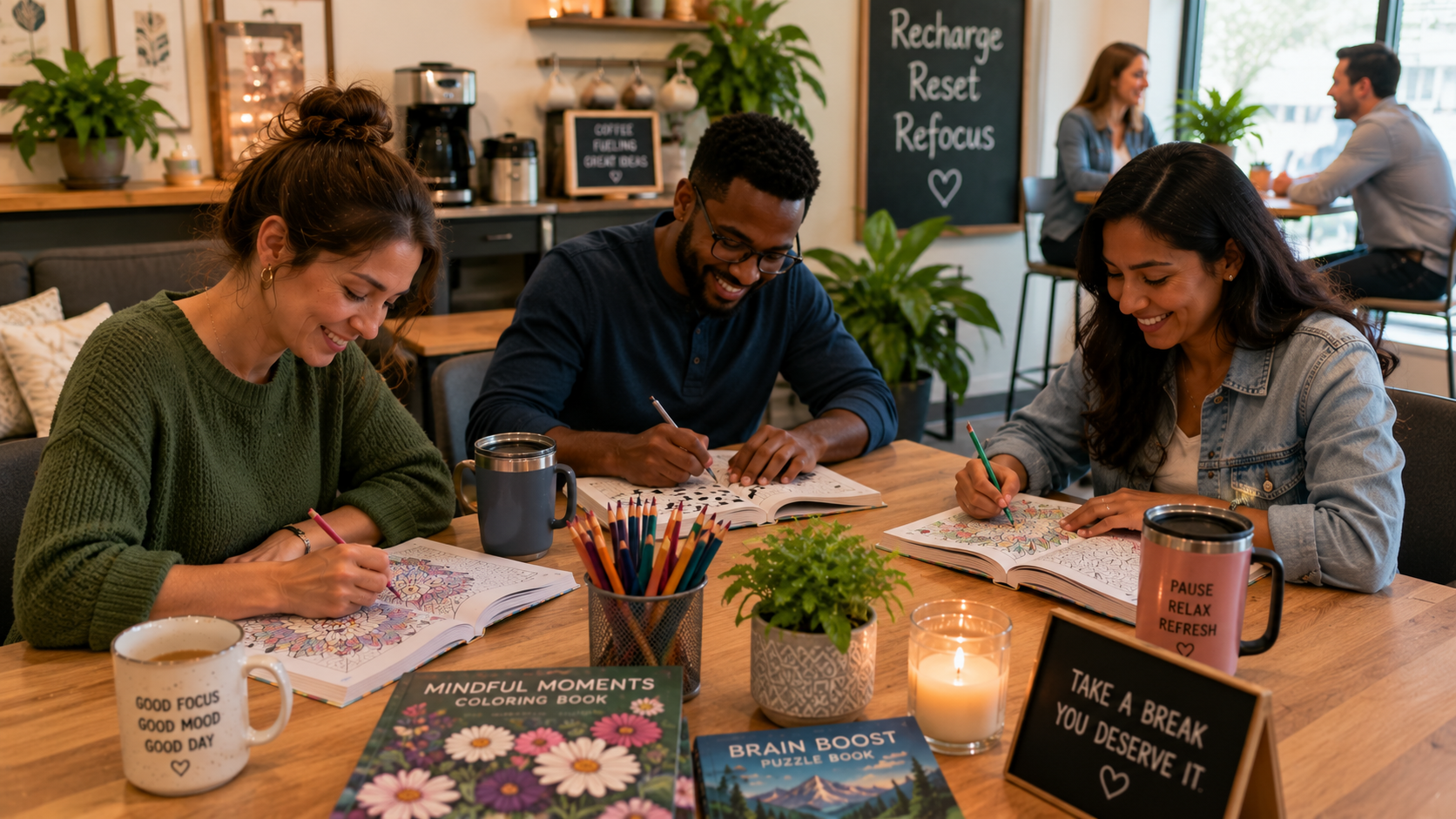
Stress has become such a common part of modern life that many people barely notice how much tension they carry day to day. Busy schedules,…
-
Why Shared Creative Hobbies Strengthen Relationships
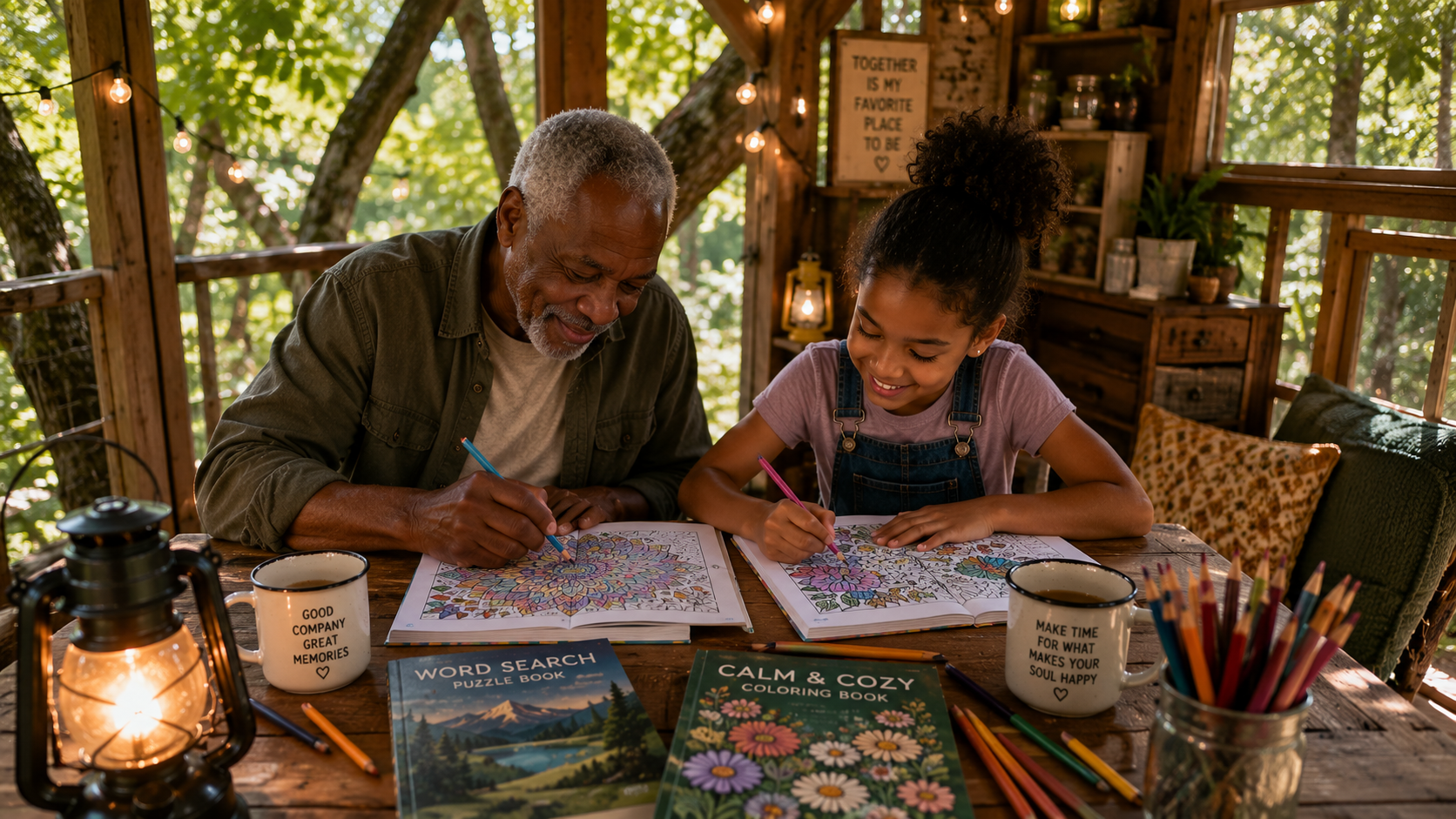
In a world where many people feel increasingly busy and digitally distracted, meaningful connection can sometimes become difficult to maintain. Shared creative hobbies offer a…
-
Creativity as Self-Care: Why Hobbies Matter More Than Ever
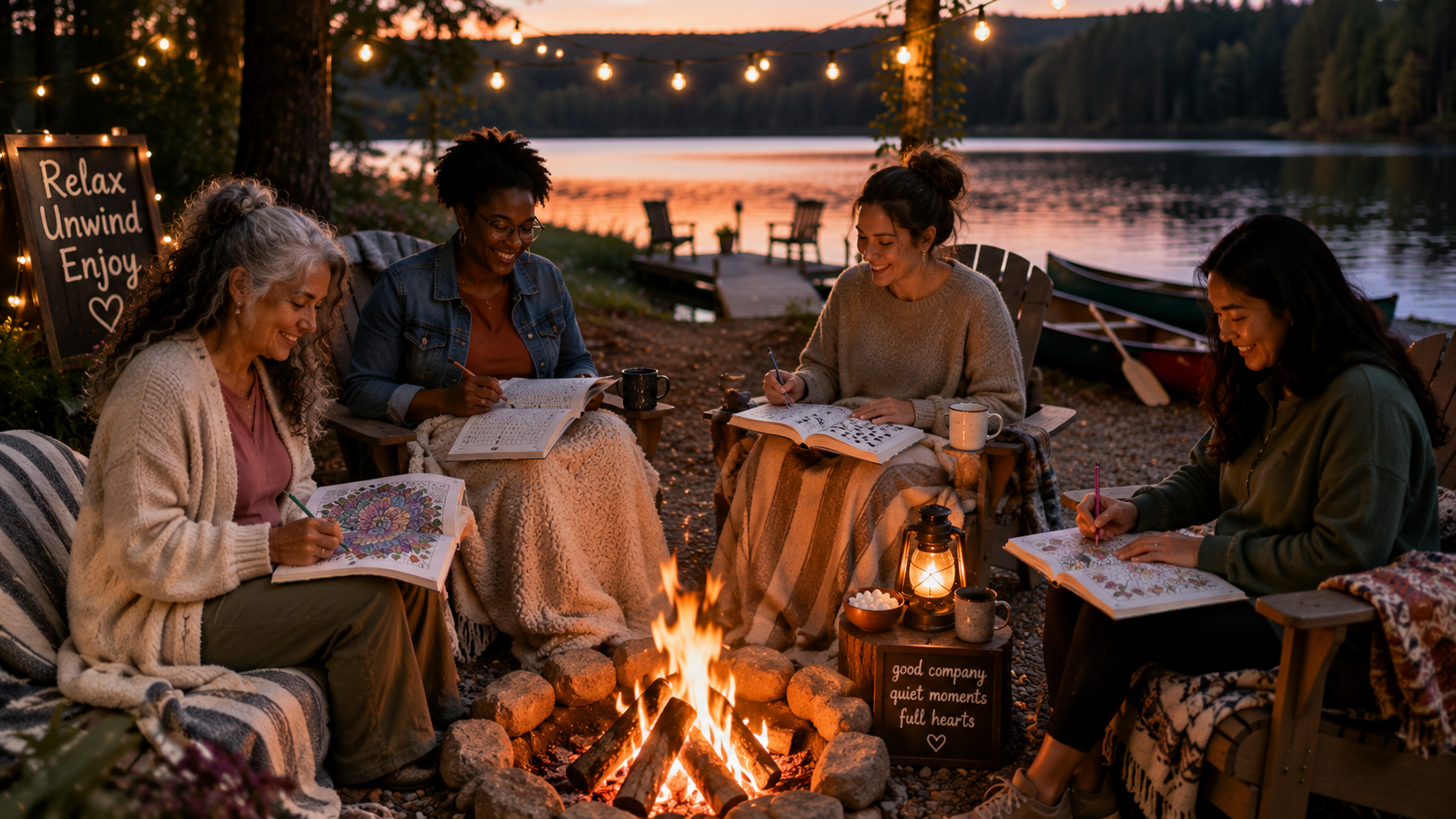
Self-care is often associated with large wellness routines, expensive products, or major lifestyle changes. But in reality, some of the most effective forms of self-care…
-
The Benefits of Analog Hobbies in Modern Life
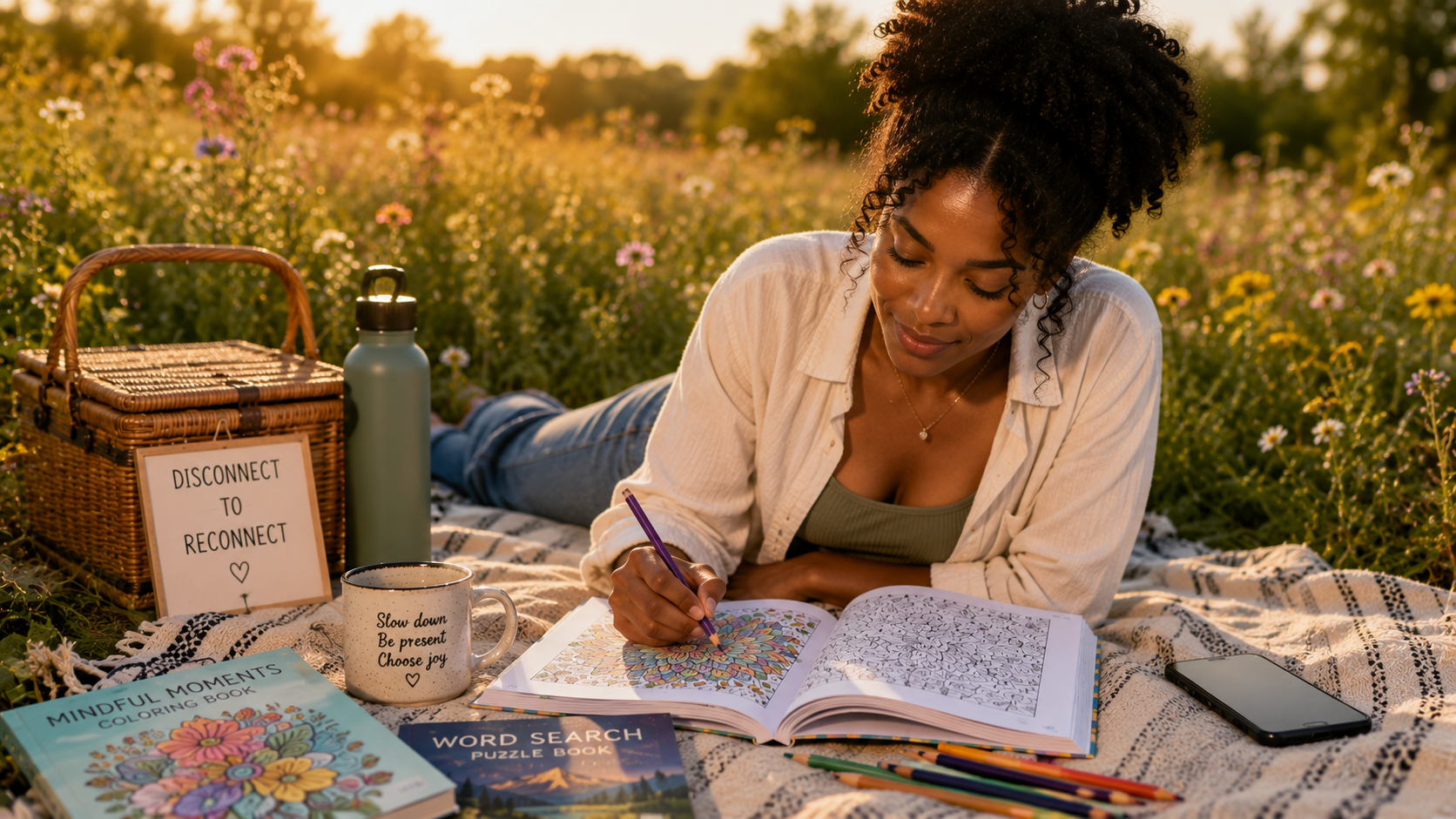
Modern life moves quickly. Notifications arrive constantly, schedules feel increasingly crowded, and much of daily life now happens through screens. While technology offers convenience and…
-
Why Creative Breaks Improve Productivity
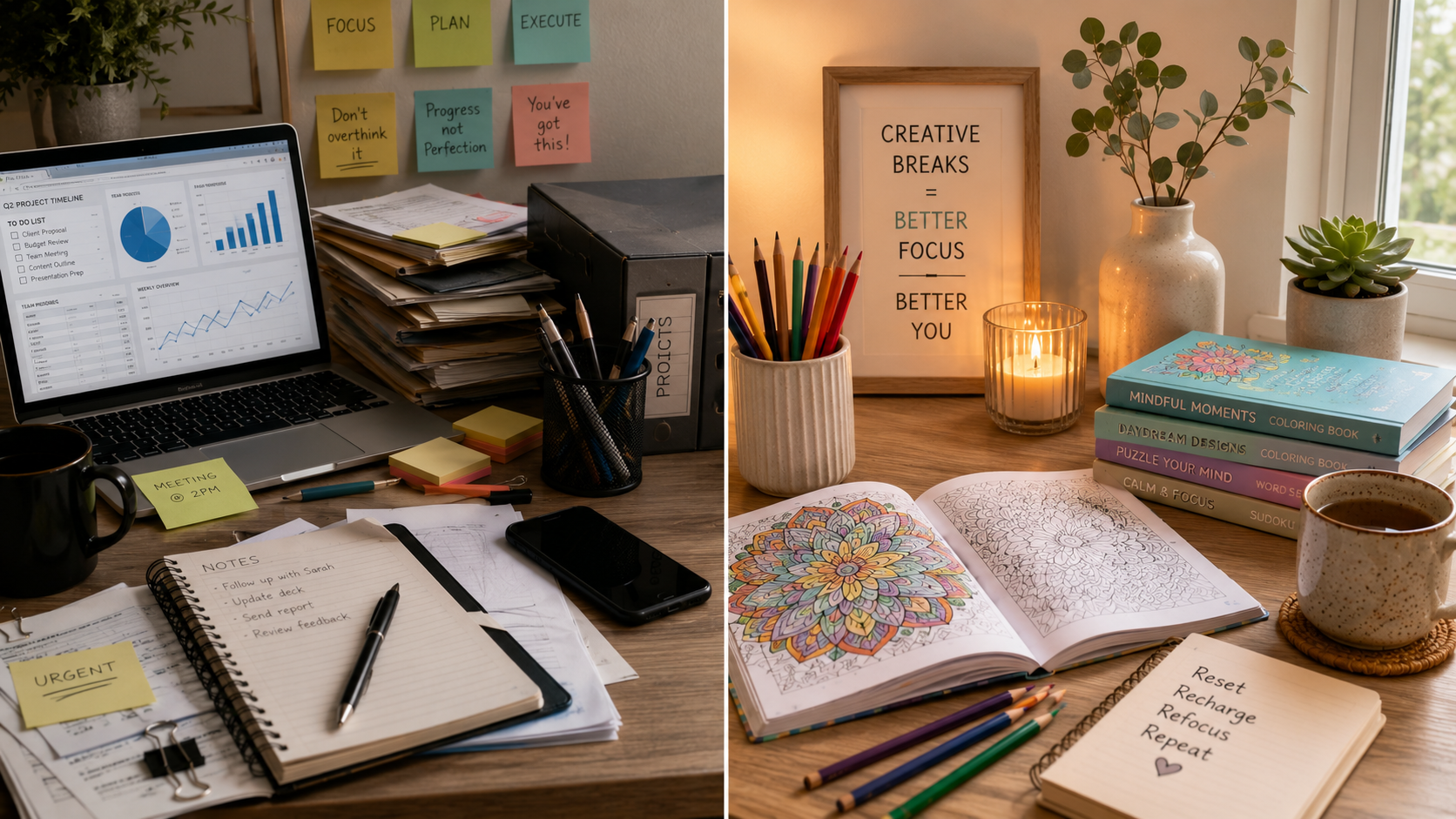
Why Creative Breaks Improve Productivity Productivity is often associated with doing more, working longer, and staying constantly busy. But research and experience increasingly show the…
-
Screen-Free Focus in a Digital World
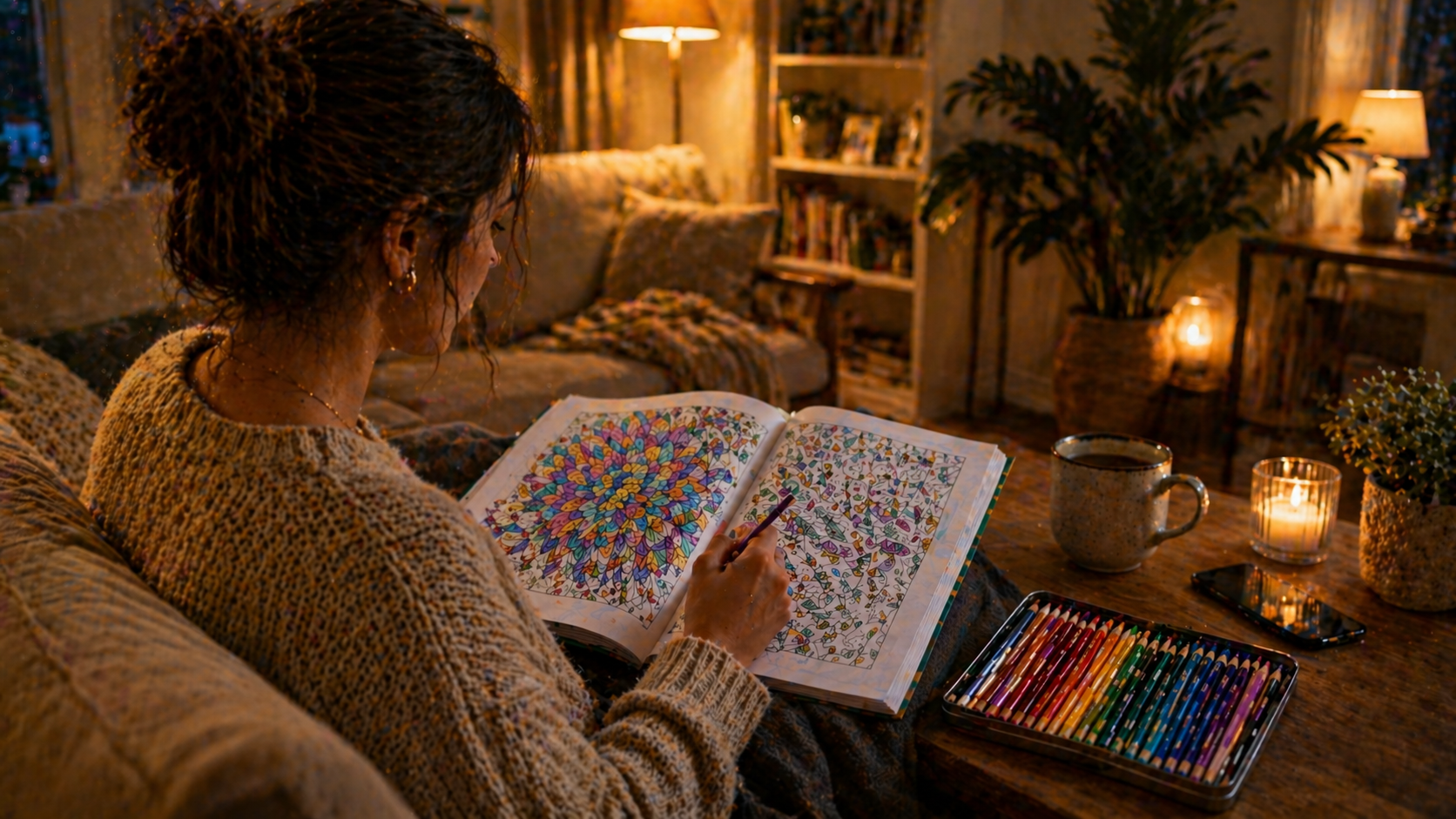
In a world filled with constant notifications, endless scrolling, and multitasking, sustained focus has become increasingly difficult. Many people find themselves jumping between tasks, checking…
-
What Is “Flow State” and How Coloring Helps
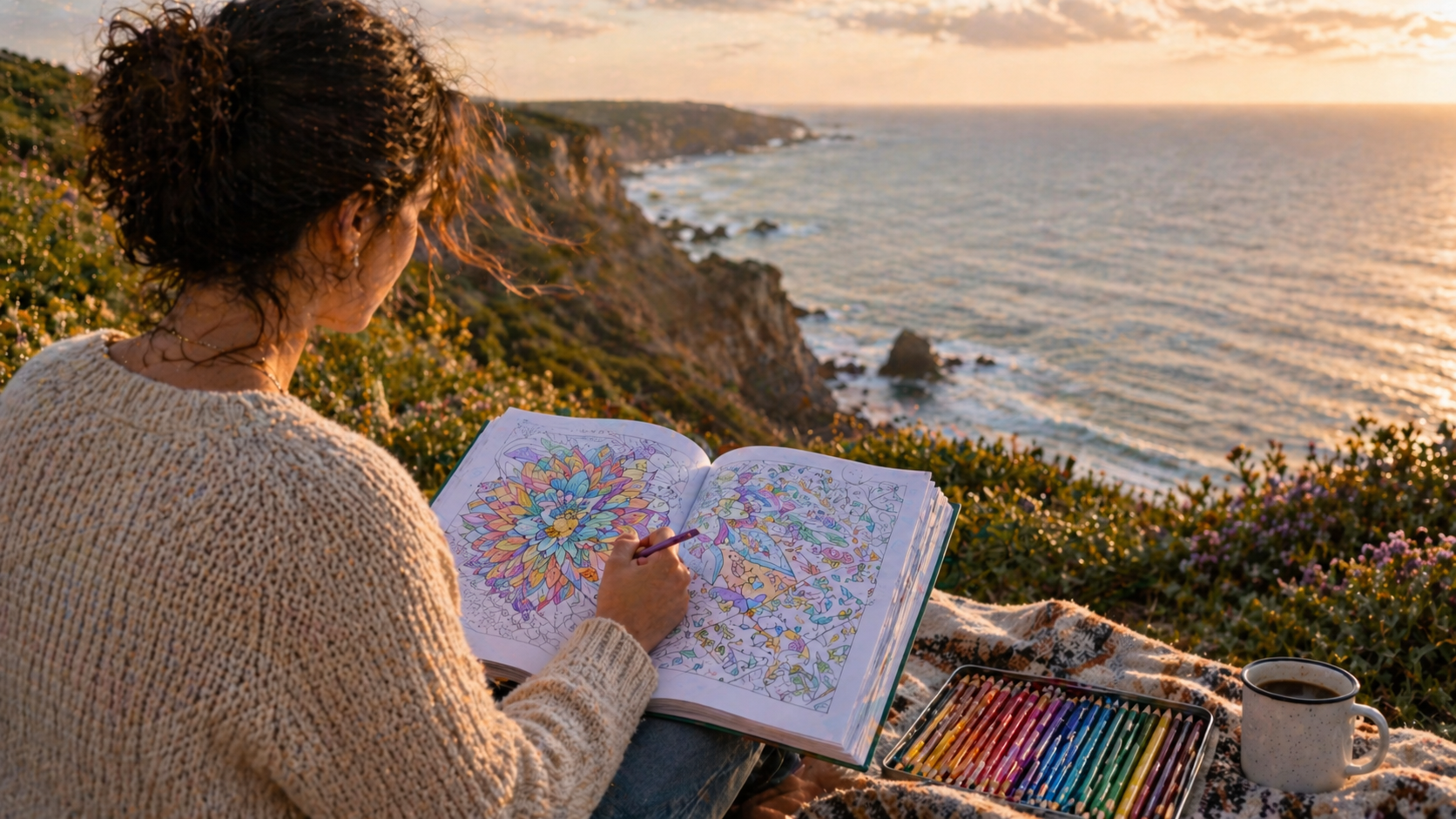
There are moments when time seems to disappear. Focus feels effortless, distractions fade, and you become fully absorbed in what you’re doing. This experience is…
-
Color, Creativity, and Emotional Reset
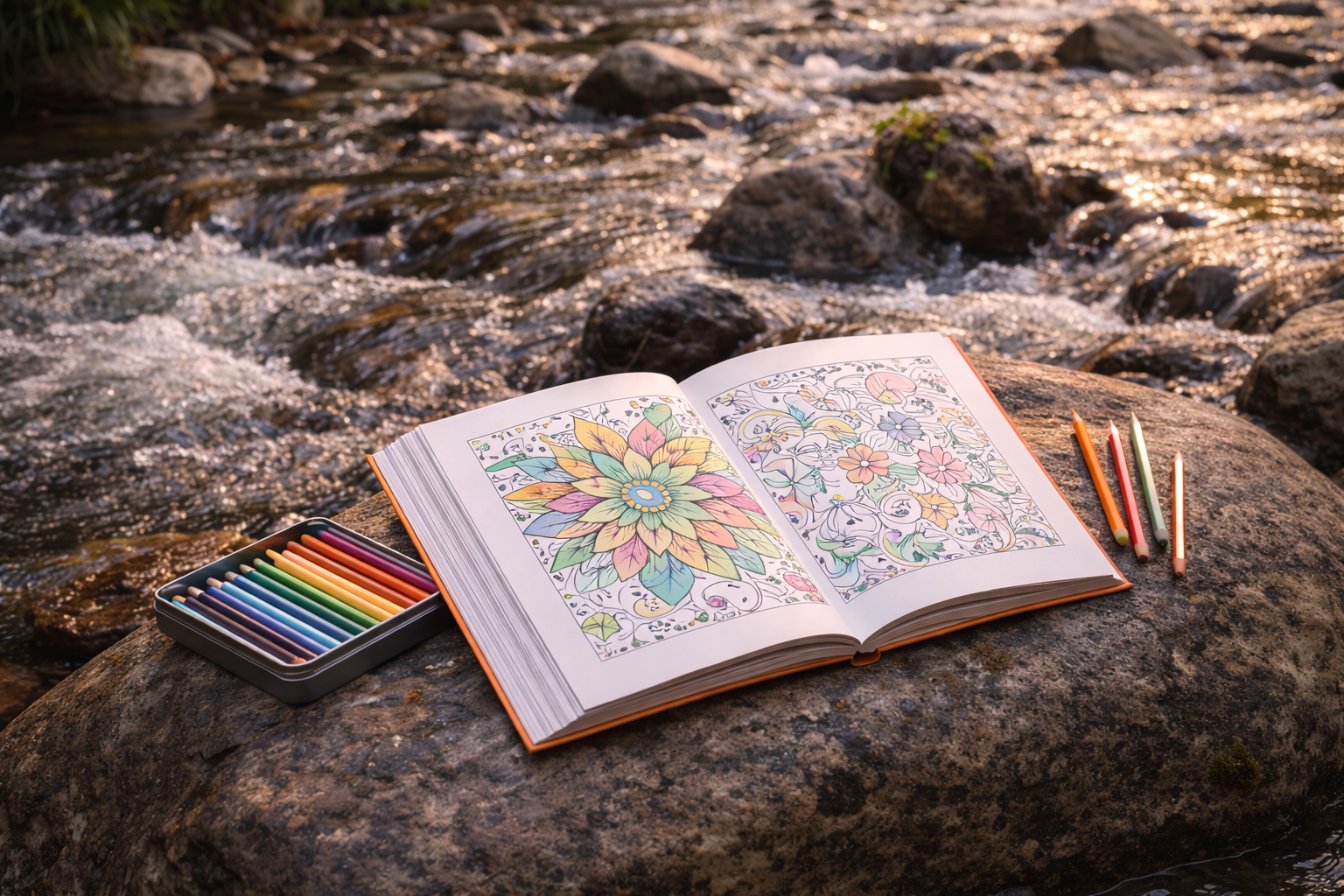
Some days feel heavier than others. Stress builds quietly, attention scatters, and emotions become harder to name. During these moments, what most people need isn’t…
-
Seasonal Colors and Emotional Shifts
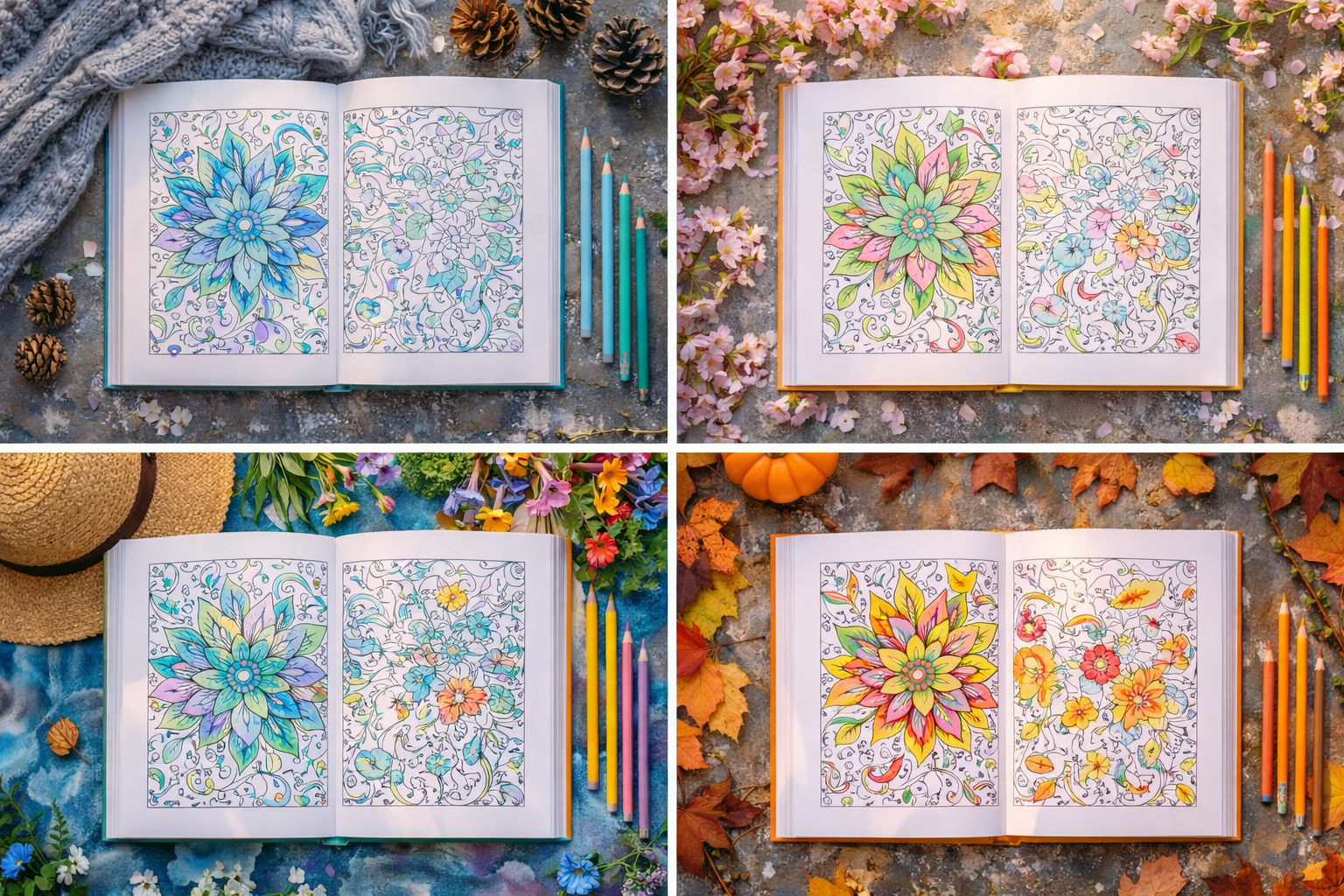
As seasons change, so do our environments—and with them, our emotional rhythms. Light, temperature, and color all shift gradually throughout the year, subtly influencing mood,…
-
Choosing Colors for Calm vs. Energy
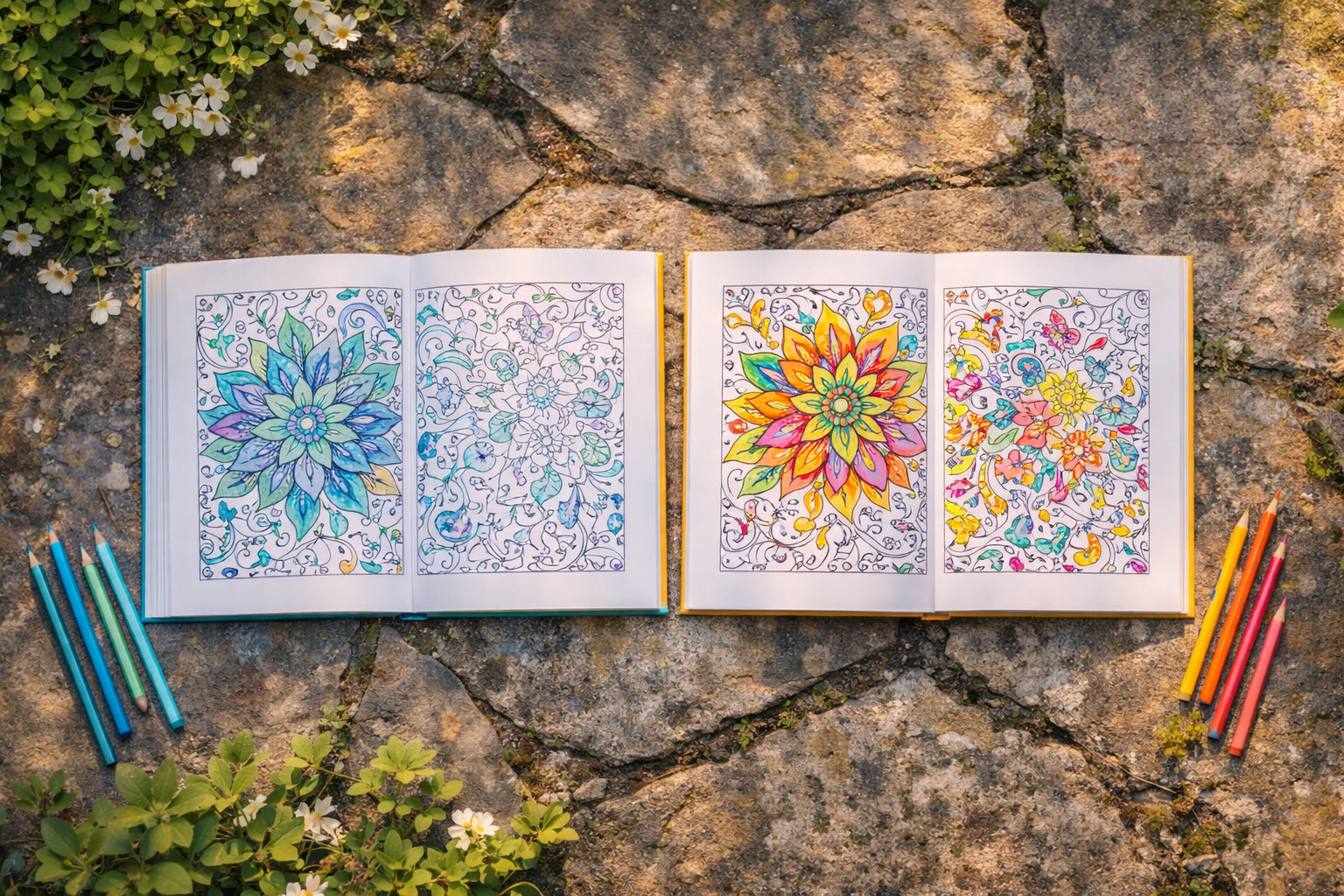
Color is one of the simplest tools we have for shaping how we feel. Without saying a word, color can calm the mind, lift energy,…
