
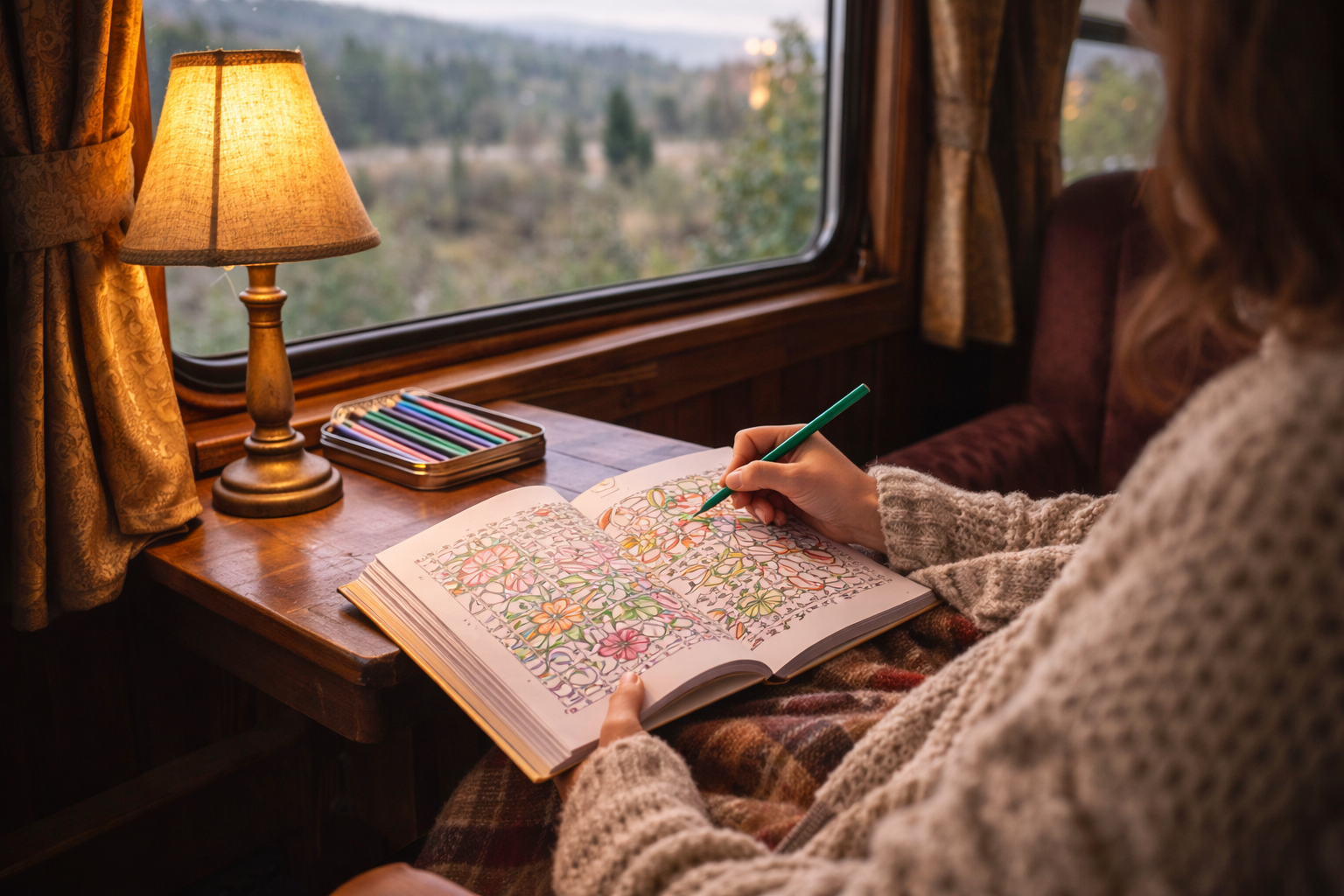
Mindfulness is often described as the practice of paying attention—on purpose, in the present moment, without judgment. Many people think mindfulness requires silence, meditation, or long stretches of stillness. But mindfulness can also be practiced through everyday activities that gently hold your focus.
One of the most accessible mindfulness practices is coloring.
Coloring combines attention, repetition, and choice in a way that naturally supports a calm, present-focused state. For many people, it feels like mindfulness without the pressure of “doing it right.”
What Mindfulness Looks Like in Real Life
Mindfulness isn’t about emptying the mind. It’s about noticing what’s happening right now.
That might include:
- The feeling of pencil on paper
- The sound of quiet surroundings
- The rhythm of filling shapes and patterns
- The choice of color, one at a time
When attention stays with the present, the mind has less space to spiral into future worry or replay past stress.
Why Coloring Works as a Mindfulness Tool
Coloring encourages a gentle “single-task” focus. Your eyes track the page. Your hand follows the lines. Your brain narrows attention to one manageable decision: what color next?
This helps interrupt:
- Rumination (repeating thoughts)
- Overthinking
- Emotional spirals
- Mental fatigue from multitasking
Because coloring is structured, it often feels safer and easier than open-ended creative work—especially during stressful seasons.
The Role of Repetition and Rhythm
Many coloring designs include repeating patterns—mandalas, florals, geometric shapes. Repetition supports regulation. It creates rhythm, and rhythm signals safety to the nervous system.
This is one reason coloring can feel so soothing: the activity itself gently reinforces a steady pace.
Coloring as “Active Rest”
A common challenge with stress is that “rest” doesn’t always feel restful. Scrolling, streaming, or multitasking might look like downtime, but it can keep the brain stimulated.
Coloring offers a form of active rest:
- The mind is engaged, but not overwhelmed
- The body is relaxed, but not inactive
- The attention is focused, but not strained
For many people, this is the perfect middle ground between doing and resting.
Mindfulness Without Perfection
One of the most valuable aspects of coloring is that it naturally reduces judgment. You can’t fail at coloring. Pages don’t have to be finished. There are no rules about what looks “right.”
This is mindfulness in practice: showing up to the moment, letting it be what it is, and allowing the experience to be enough.
Simple Ways to Make Coloring More Mindful
You don’t need special techniques, but these small shifts can deepen the mindfulness benefits:
- Start with a small intention: “I’m doing this to reset.”
- Limit distractions: Put your phone face down or in another room.
- Notice physical cues: Your breathing, your shoulders, your grip.
- Color slowly on purpose: Not to finish, but to be present.
Bringing Mindfulness Into Everyday Life
Mindfulness doesn’t have to be another item on your wellness checklist. It can be woven into ordinary moments—especially when the activity is enjoyable and easy to return to.
Coloring is one of the simplest ways to practice mindfulness in a way that feels welcoming.
Calm, Creative Support
At Sweet Pea Creative LLC, we believe mindfulness should be accessible—not intimidating. Through PeaChi Pages, we create coloring books designed to support calm focus, present-moment awareness, and relaxing creative routines.
Mindfulness doesn’t always look like meditation. Sometimes it looks like a coloring page, a quiet moment, and the next color you choose.


